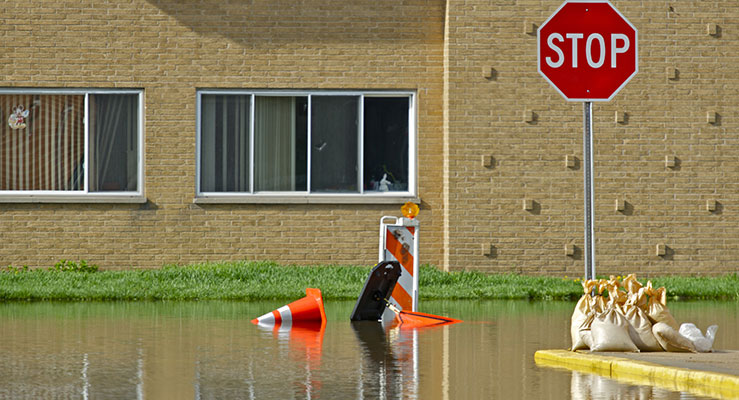
Water can look calm one minute and dangerous the next. That is why more people now stop when a flood alert hits their phone. Flood warnings are not just background noise anymore. They are early signals that roads, homes, and normal plans may change fast. Also, they can arrive at night, during work, or while the kids are at school. So, knowing what to do first can save time and fear. Many communities now face heavier rain, overloaded drains, and faster runoff.
Meanwhile, new alert tools help officials warn people sooner. Yet warnings only help when people act. This guide explains why flood warnings are increasing. It also shows the first steps families should take. By the end, readers can feel ready, not frozen, when water starts rising. After all, a clear plan beats panic. And even one smart choice can protect a whole household.
Why Flood Warnings Keep Showing Up
Flood warnings are increasing for several connected reasons. First, storms now drop more rain in shorter bursts. Warmer air can hold more moisture, which can feed heavier downpours. NOAA notes that heavy precipitation has increased in the contiguous United States since the 1950s. Also, cities have more pavement than before. As a result, rain cannot soak into the ground easily. It runs across streets, lots, and roofs. Then, storm drains fill quickly.
Here are common reasons flood alerts feel more frequent:
- Heavier rainfall can overwhelm local drainage.
- More homes now sit near flood-prone areas.
- Aging pipes and culverts can back up fast.
- Burn scars and dry ground can shed water quickly.
- Better radar and alerts now catch threats sooner.
Therefore, more warnings do not always mean worse forecasts. Often, they mean risks are clearer. Still, every alert deserves attention. In fact, ignoring one can turn a small delay into a dangerous mistake.
What A Flood Warning Really Means
A flood watch and a flood warning do not mean the same thing. However, people often mix them up. That confusion can slow action when minutes matter. A watch means conditions could lead to flooding. So, people should stay alert and plan. A warning means flooding is happening or expected soon. Therefore, people should act right away. A flash flood warning needs even faster action because water can rise within minutes.
| Alert Type | What It Means | First Move |
| Flood Watch | Flooding is possible | Check plans and charge phones |
| Flood Warning | Flooding is happening or likely | Move people and pets to safety |
| Flash Flood Warning | Rapid flooding may hit soon | Get to higher ground now |
| Flood Emergency | A severe threat to life exists | Follow official orders fast |
Also, alerts may cover areas larger than one street. So, do not ignore one because the sky looks clear. Rain upstream can still send water downhill.
What To Do First When an Alert Hits
When a flood warning arrives, the first few choices matter most. So, people should focus on life safety before property. Furniture, cars, and boxes can wait. People cannot. Start by checking trusted alerts. Use local emergency updates, NOAA Weather Radio, or phone alerts. Then, look around. If water rises near the home, move to a higher floor or higher ground. Also, gather kids, older adults, pets, medicines, and keys.
Do these first:
- Move away from low spots, creeks, and underpasses.
- Keep phones charged and volume on.
- Put medicine, IDs, and chargers in one bag.
- Avoid elevators during rising water.
- Leave early if evacuation looks likely.
- Tell one trusted person where you are going.
Most importantly, never drive through floodwater. The National Weather Service says 12 inches of rushing water can carry away most cars. Therefore, a parked car is safer than a risky crossing. And a longer route is better than a flooded one.
Why Roads and Homes Become Risky Fast
Flooded roads cause many close calls because water hides danger. A street may look shallow from the driver’s seat. However, the road surface underneath may be gone. Also, moving water can push a car sideways before the driver reacts.
Underpasses become traps because water collects there quickly. Rural roads can fail too, especially near small bridges. Meanwhile, night driving makes everything harder. Drivers may not see depth, current, or missing pavement. That is why “Turn Around, Don’t Drown” matters. Ready.gov also tells people not to walk, swim, or drive through floodwater. It advises people to stay off bridges over fast-moving water.
Homes carry risks too. Basements can fill quickly. Outlets can spark. Stored chemicals can leak. So, families should stay out of flooded rooms. If officials order evacuation, leave early. Also, obey barricades every time. Crews place them because the road is unsafe.
How To Prepare Before the Next Storm
Flood safety gets easier when families plan before the rain starts. However, preparation does not need to feel complex. A few small habits can make a hard day safer. First, know the local flood risk. Check whether the home sits near a creek, low road, dam, or poor drainage area. Also, learn which streets flood first. Local emergency offices often know these trouble spots well.
Next, build a small go bag. Include water, snacks, a flashlight, batteries, medicine, key papers, and pet supplies. Also, add shoes that can handle mud. Keep the bag easy to grab. Then, make a family contact plan. Pick one meeting place nearby and one outside the area. In addition, set a backup ride for anyone without a car.
When The Water Rises, Confidence Counts
Flood warnings are increasing because rain patterns, land use, and alert tools keep changing. However, people do not need to panic when an alert appears. They need a clear first move. Get people to higher ground. Avoid flooded roads. Keep phones charged. Listen to local officials. Then, protect property only when it is safe.
After the water drops, stay careful. Floodwater can carry fuel, sewage, sharp items, and live wires. Therefore, wait for official safety updates before returning. Floods move fast, but smart choices can move faster. For smarter emergency planning, real-time alert support, and safer response guidance, connect with Bright Clyra AI today. Build a stronger flood readiness plan before the next warning arrives.